Rotavator Machine Price India

When searching for rotavator machine price India, farmers should first understand which type of rotavator suits their tractor, soil and farming requirements. A rotavator is a tractor-mounted implement used to break up soil, prepare a seedbed and mix crop residues into the ground. Sukh Agro helps farmers explore rotavator options and understand the features that matter when selecting agricultural machinery.

01

What Is a Rotavator Machine and How Does It Work?

A rotavator machine is an agricultural implement that uses rotating blades powered by a tractor's power take-off (PTO) to cultivate soil. As the blades rotate, they break up soil clods and mix soil and suitable crop residues, helping prepare the field for the next crop.

For many Indian farmers, field preparation is one of the most time-sensitive jobs in the cropping cycle. After harvesting wheat, paddy or other crops, the land may need to be prepared for the next sowing operation. A suitable rotavator can combine soil cutting and mixing in a single pass, depending on field conditions and the required finish.

Farmers commonly use rotavators for:

  • Preparing soil before sowing wheat, vegetables and other crops.
  • Breaking up clods in suitable soil conditions.
  • Mixing organic matter and crop residues into the soil.
  • Preparing seedbeds for more uniform sowing.
  • Cultivating agricultural land where conventional tillage is appropriate.

The results depend on soil moisture, blade condition, operating speed, working depth and tractor capacity. Very wet or excessively hard soil can affect performance, so field conditions should be assessed before operation.
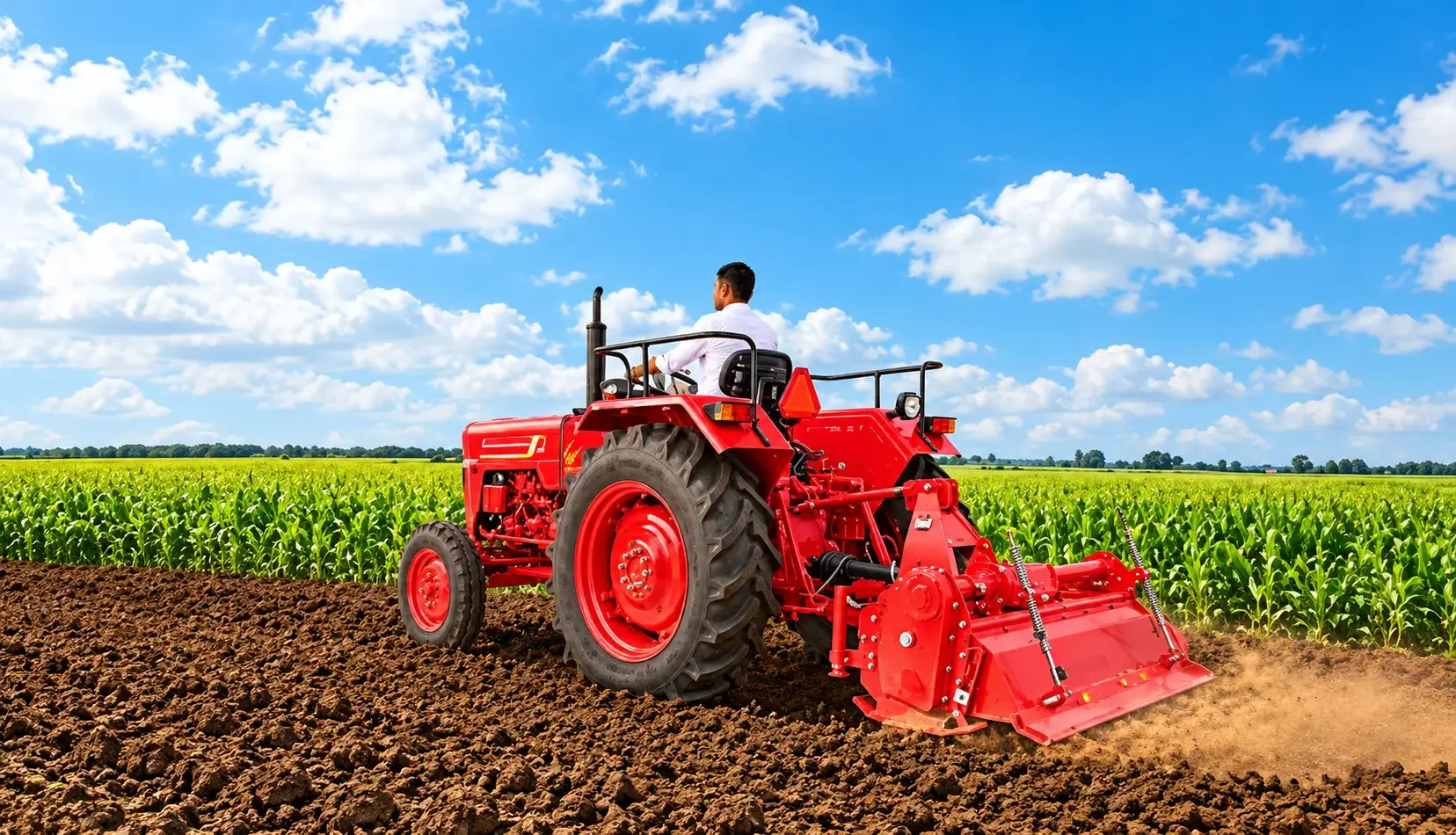
Tractor operating a rotavator for agricultural soil preparation
Sukh Agro Agency | Farming Guide

Which Rotavator Machine Is Suitable for Your Farm?

The right rotavator depends on the size of your fields, the tractor available and the type of soil preparation required. Choosing a machine based only on its appearance or working width can lead to compatibility problems.

A suitable machine should match your tractor's power, field conditions and intended workload. Review the manufacturer's specifications before making a decision.

Explore Rotavator Options

What Features Should You Check Before Buying a Rotavator Machine?

A good rotavator is not simply one that fits behind your tractor. It must also handle your field conditions and the workload you expect from it.

  • Tractor horsepower and PTO compatibility: Check the manufacturer's recommended horsepower range and PTO requirements.
  • Working width: Choose a width that matches your tractor and field.
  • Blade quality: Check blade type, material and replacement availability.
  • Gearbox and frame: Review the specifications for your intended soil conditions.
  • Maintenance and spare parts: Ask about servicing, replacement blades and local support.
Buying Tip

Compare specifications and operating requirements before choosing a rotavator. The right fit depends on your soil, tractor and farming needs.

FARMING MACHINERY GUIDE

What Features Should You Check Before Buying a Rotavator Machine?

A good rotavator is not simply one that fits behind your tractor. It must also handle your field conditions and the workload you expect from it.

Tractor horsepower and PTO compatibility: Check the manufacturer's recommended horsepower range and PTO requirements. An implement that is too demanding for the tractor may reduce operating efficiency and place unnecessary strain on the equipment.

Working width: The working width determines how much ground the machine can cover in one pass. A wider rotavator may be suitable for larger fields, while a narrower model can be easier to manage in smaller or irregularly shaped plots.

Blade quality and arrangement: Rotavator blades perform the actual soil-cutting work. Their shape, arrangement, wear resistance and replacement availability influence how the implement performs in different conditions.

Gearbox and drive system: Check the gearbox design, drive components and maintenance requirements. These components must be suitable for the implement's intended workload.

Working depth and adjustment: The required depth depends on the crop, soil and cultivation objective. Look for a machine that allows suitable adjustment and can maintain the required depth under normal operating conditions.

Maintenance and spare parts: Blades and other wear components require inspection and occasional replacement. Before buying, ask about routine servicing, lubrication points, spare-parts availability and warranty coverage.

These details are useful when comparing any rotavator machine because they focus on practical performance rather than appearance alone.

FARMING MACHINERY GUIDE

How Can a Rotavator Improve Field Preparation?

A properly selected rotavator can help farmers prepare soil more efficiently by combining cutting, loosening and mixing operations. Its benefits depend on the field, crop and cultivation method.

For example, a farmer preparing a field for wheat after a previous crop may need to break up clods and create a suitable seedbed. A rotavator can help with this task when soil moisture and residue conditions are appropriate. However, fields containing heavy paddy straw may require a separate residue-management approach or specialised machinery.

Rotavator use should also be planned carefully. Repeated intensive tillage can increase fuel consumption and may damage soil structure under unsuitable moisture conditions. Farmers should follow suitable agronomic practices and avoid unnecessary passes.

The objective is not to cultivate the soil as much as possible. It is to achieve the seedbed needed for the next crop while managing time, tractor use and soil conditions sensibly.

ROTAVATOR BUYING GUIDE

How Do You Select the Right Rotavator for Indian Farming Conditions?

Before contacting a supplier, work through these practical checks:

01

Identify Your Main Crop

Wheat, paddy, vegetables and other crops can require different approaches to seedbed preparation.

02

Assess Your Soil

Clay-heavy, sandy and loamy soils behave differently during cultivation.

03

Confirm Tractor Specifications

Note the tractor's horsepower, PTO configuration and hitch compatibility.

04

Estimate Your Workload

Consider the size of your fields and how frequently the machine will be used.

05

Check Residue Conditions

Determine whether a conventional rotavator is appropriate or whether additional residue-management equipment is needed.

06

Review Service Requirements

Confirm warranty terms, replacement blades, maintenance guidance and available technical support.

These steps help narrow down the suitable machine type before you discuss individual models with Sukh Agro.

FARMING MACHINERY GUIDE

Why Explore Rotavator Machines from Sukh Agro?

Sukh Agro is an agricultural machinery supplier offering equipment for farm preparation, sowing and crop-residue management. Its published catalogue includes rotavators alongside implements such as super seeders, zero-till drills and straw reapers.

This range is useful for farmers who are reviewing more than one field operation and want to understand which implement fits their requirements.

When contacting Sukh Agro, provide your tractor model, approximate horsepower, soil type and primary farming application. The team can then help you explore relevant available models and their technical details.

Before finalising your choice, ask for the model's working width, recommended horsepower, blade configuration, operating requirements, warranty conditions and maintenance guidance. Confirming these details helps you select machinery based on actual farm needs.

HELP & INFORMATION

Frequently Asked Questions

When researching rotavator machine price India, start by identifying the working width, tractor compatibility, blade configuration and intended use you require. These specifications help you compare suitable models and avoid selecting an implement that does not match your farm.
A rotavator machine is used to loosen and break up soil, prepare seedbeds and mix suitable crop residues into the ground. It is commonly used for field preparation before sowing, depending on soil conditions and the farming system.
The best rotavator for a tractor is one that matches its recommended horsepower, PTO configuration, hitch and operating capacity. Always follow the implement manufacturer's compatibility guidelines rather than choosing solely by working width.
No, a heavy-duty rotavator is not necessary for every farm. Its suitability depends on the soil, workload, tractor capacity and cultivation requirements, so the implement should be selected according to actual operating conditions.
Yes, a rotavator can be used to prepare suitable fields before wheat sowing by breaking up soil clods and creating a seedbed. Fields with substantial paddy residue may require a different or additional residue-management method.
You can explore Sukh Agro's agricultural machinery range on its website and contact the company to enquire about available rotavator models. Ask for technical specifications, tractor compatibility and maintenance details before selecting a machine.

Find the Right Rotavator for Your Farming Needs

The right rotavator should suit your tractor, soil conditions and the crop you plan to grow next. Instead of choosing an implement based on working width alone, take time to understand its specifications and how it will perform in your fields.

Explore rotavator options with Sukh Agro. Visit Sukh Agro’s website to learn about its agricultural machinery range and enquire about a suitable rotavator for your farm.

WhatsApp WhatsApp Call Call Now Enquiry Enquiry
×